
29 October 2026
Join Our Australia Awards Scholarships Information Session for Prospective Applicants from Wamena, Highland Papua 2026
Are you considering pursuing a Masters or Doctoral degree at a leading Australian university? The Au... Read more

The Australia Awards are prestigious, transformational scholarships and short courses offered to emerging leaders for study, research and professional development in Australia
.jpg)
29 October 2026
 Turning Scrap into Sparkle: How Dian Suri Handayani Is Redefining Sustainable Jewellery
What if discarded metal and glass could become beautiful jewellery while creating fairer opportunities for local artisans? For Dian Suri Handayani, founder of Kunang Jewelry, this question became the starting point for rethinking how a jewellery business could operate.
With more than 15 years of experience in corporate jewellery design, a commitment to environmental and social causes and insights from an Australia Awards Short Course, Dian is showing how design and business can help build a more sustainable, inclusive economy.
Although Kunang Jewelry was formally registered in 2021, its journey began in 2019. Based in Bali, the business challenges conventional ideas of luxury by using recycled materials, building long-term partnerships with artisans and embedding environmental responsibility throughout its operations.
Looking Beyond the Sparkle
Dian’s decision to establish Kunang Jewelry grew from her experience in the jewellery industry. Alongside her career, she volunteered in grassroots initiatives focused on environmental conservation, child welfare and women's empowerment. Over time, these experiences sharpened her awareness of the gap between her personal values and the industry's realities.
As she moved into corporate management, she gained a clearer understanding of the environmental and social costs of raw material extraction, particularly gold and gemstone mining. While the industry generated significant profits, mining communities often bore the environmental consequences without receiving commensurate economic benefits.
She also recognised the challenges and vulnerabilities experienced by artisans. Although handmade jewellery is often marketed as a premium product, independent artisans can face unstable incomes, limited access to social protection and inadequate workplace safety. Their skills create significant value, yet this does not always translate into secure and sustainable livelihoods.
‘In the jewellery industry, everything seems so glamorous and sparkling on the outside, but behind it lies all these systemic issues. The higher I got in corporate management, the clearer it became where materials came from and how things operated. Eventually, I decided to step away because my personal values conflicted with the reality of the industry,’ she said.
Encouraged by colleagues working in environmental activism to develop a credible alternative to conventional production, she began building a business that would make sustainability part of its core operations rather than simply a marketing message.
Turning Waste into Opportunity
For Dian, creating a sustainable brand required more than adopting an environmentally conscious image. She spent nearly a year testing materials to identify options that were safe, accessible and suitable for repeated reuse.
Kunang Jewelry ultimately selected discarded copper and brass sourced from local waste banks. Unlike plastics, these materials can be melted and reworked multiple times, supporting a production model that keeps materials in circulation longer.
‘If you melt plastic repeatedly, its quality degrades, and it can only be reused a few times. Metals don't do that. Metal doesn't naturally decompose, but it can be melted down repeatedly without losing quality. That's essential for us because we want our products to be easily repaired, serviced, or completely remade,’ she explained.
The business applies recycling and upcycling techniques to transform waste into new products. Dian also makes deliberate material choices to support product safety, excluding iron, stainless steel and nickel from its selected materials. Instead of relying on newly mined gemstones, Kunang incorporated discarded glass fragments processed into handmade glass beads.
This approach reflects a practical response to a complex challenge: designing products that retain their aesthetic appeal while reducing reliance on newly extracted resources. It also shows how experimentation, technical understanding and creative problem-solving can turn environmental concerns into viable business practices.
Turning Learning into Business Strategy
Dian’s commitment to sustainable production was complemented by her participation in the Australia Awards Short Course on Women-led MSMEs - Ready to Export, delivered by RMIT University in 2024.
The program provided structured frameworks for business operations and market development, helping her approach expansion with greater clarity and a stronger evidence-based approach. In particular, market research enabled her to assess customer preferences, regulatory requirements and potential barriers before committing significant resources.
Drawing on insights from legal experts, third-party advisers and local stakeholders, Dian developed a more targeted understanding of the Australian market. This informed Kunang’s decision to explore supplying recycled glass beads as raw materials, allowing the business to test market demand while limiting its exposure to risk.
‘The short course broke down concepts so effectively into simple, actionable frameworks. The most valuable part for us was market research. Because we received detailed insights from legal experts, third parties and local stakeholders, we were able to start testing the market without taking on high risks,’ she said.
The experience illustrates how access to relevant knowledge can help entrepreneurs make informed decisions, respond to uncertainty and identify alternative pathways to growth. Dian believes the program's value lay not only in what she learned, but also in how she applied that knowledge to her business's realities.
Circular Economy and Local Artisan Empowerment
Kunang’s sustainability model extends beyond its products to the relationships that support their production.
The business works with five waste banks in Denpasar to source scrap metals, creating an additional income stream and improving cash flow for informal waste pickers. Its packaging reflects the same principles: instead of plastic wrapping, products come in fabric pouches and hand-woven bamboo boxes known as sokasi/keben, crafted by Balinese artisans. These alternatives are intended to be reusable and, where materials allow, biodegradable.
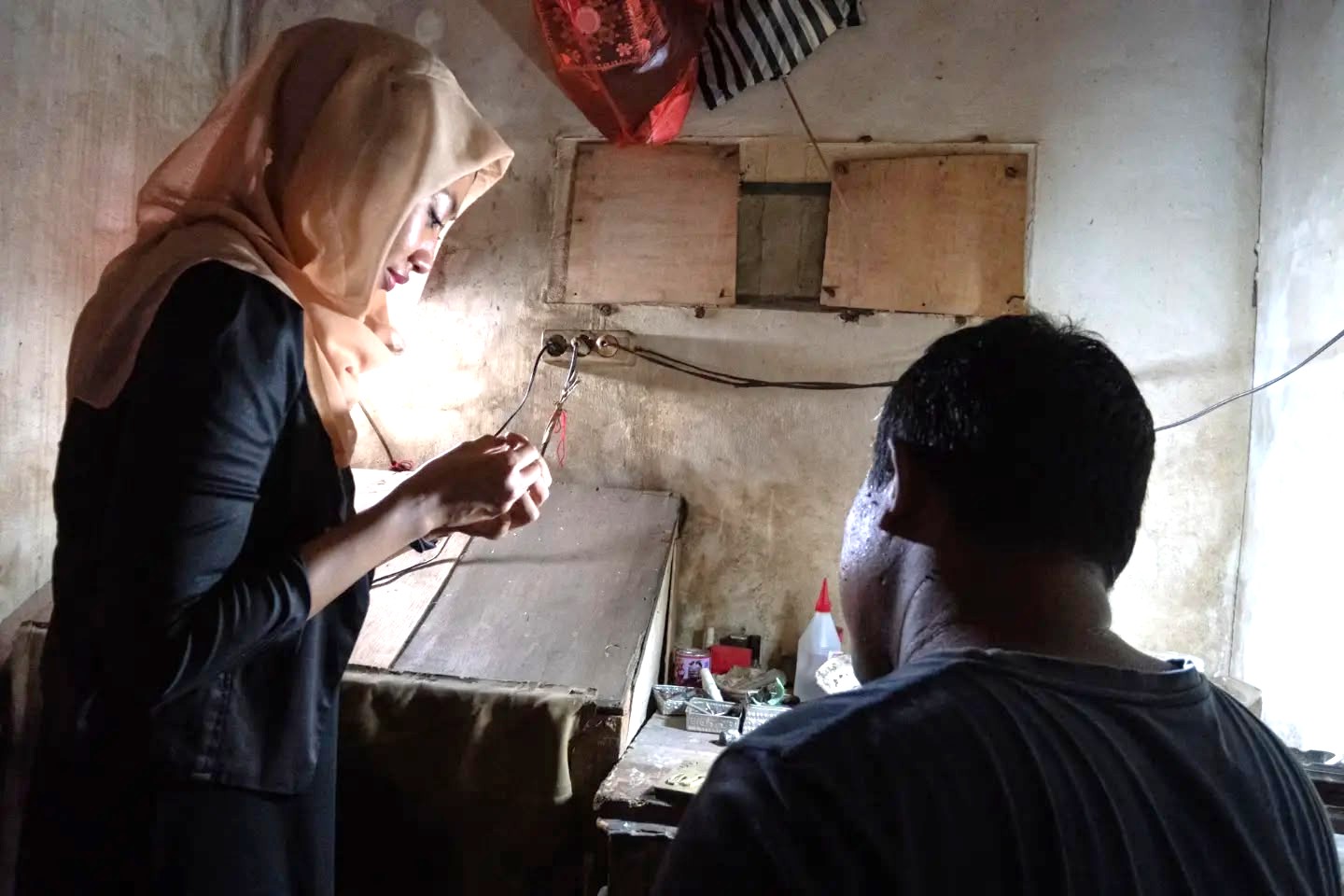
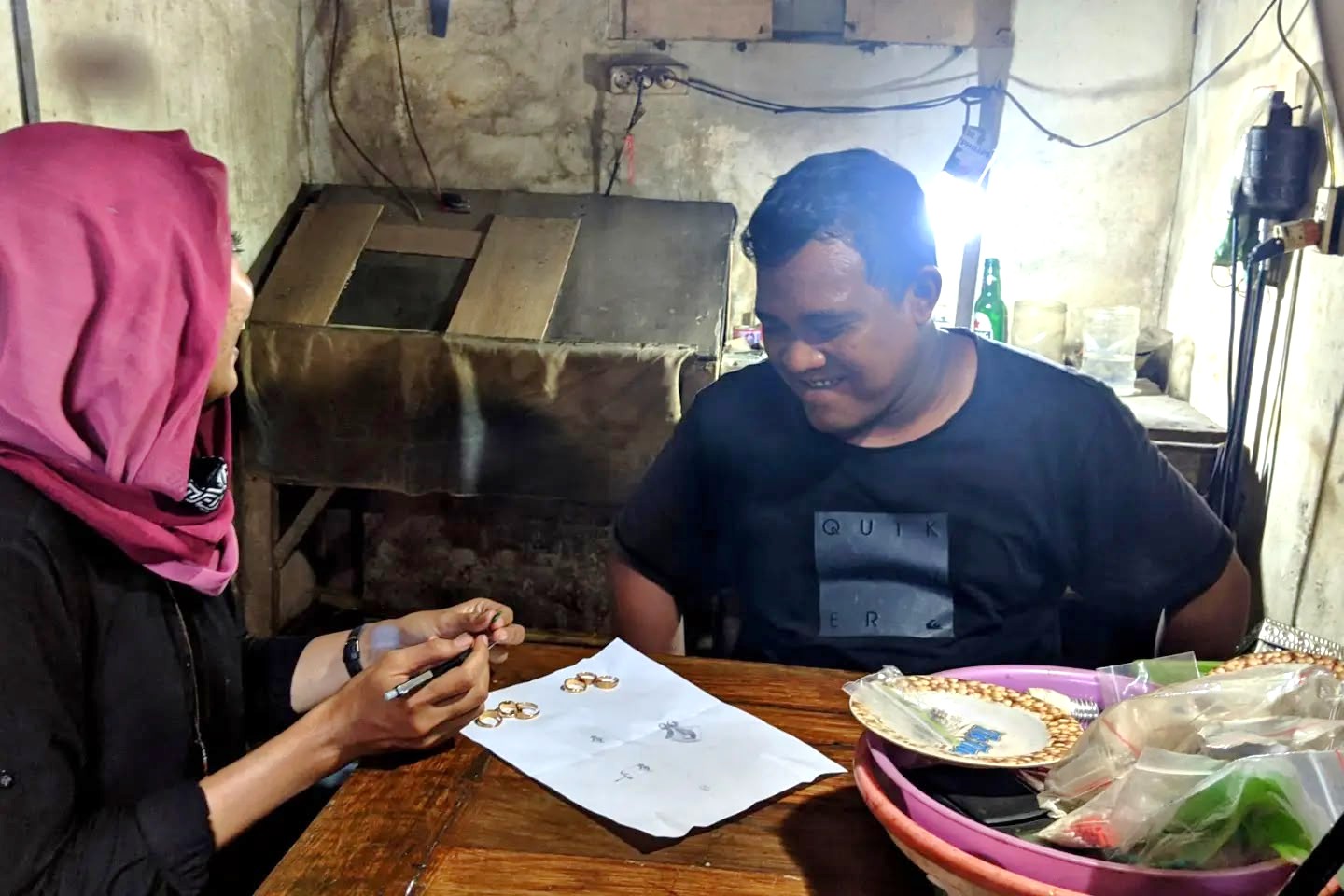
Kunang also collaborated with seven production teams across Bali and Jombang, East Java. Rather than treating artisans as interchangeable suppliers, Dian seeks to establish partnerships based on trust, transparent pricing and shared responsibility.
The business sets prices through open discussions and provides additional support through social security coverage under Indonesia’s BPJS, equipment loans and an interest-free loan program to help artisans cover school fees.
‘We don't look at artisans as mere vendors where you just buy and walk away. We build genuine relationships. One specific instruction I give to my team visiting the artisans is to spend as much time at their workshops as possible so that a real bond is formed,’ she said.
By working with waste banks, artisans and local producers, Kunang helps keep materials in use while supporting livelihoods and preserving traditional craft skills. Its model also highlights the importance of collaboration across the economy, from informal waste collection to design, manufacturing and market access.
Redefining Responsible Entrepreneurship
For Dian, women-led businesses play an important role in shaping more responsible economic models. She believes that business growth should be accompanied by a willingness to consider the consequences of decisions for communities and the environment.
She advises aspiring women entrepreneurs to build accountability into their business models from the start, rather than treating social and environmental initiatives as separate corporate responsibility activities.
‘Brands have to take true responsibility for their products from upstream to downstream. You can't just manufacture it unresponsively, create over-consumption, and then plant a few trees or do a beach cleanup to 'expiate your sins' while continuing to repeat the same damage,’ she added.
Dian’s journey shows that entrepreneurship can address systemic challenges, not simply pursue commercial success. By questioning established practices, experimenting with alternative materials and adapting her business strategy through new knowledge, she is building a model that connects innovation with practical community outcomes.


Share this news on:
Related News